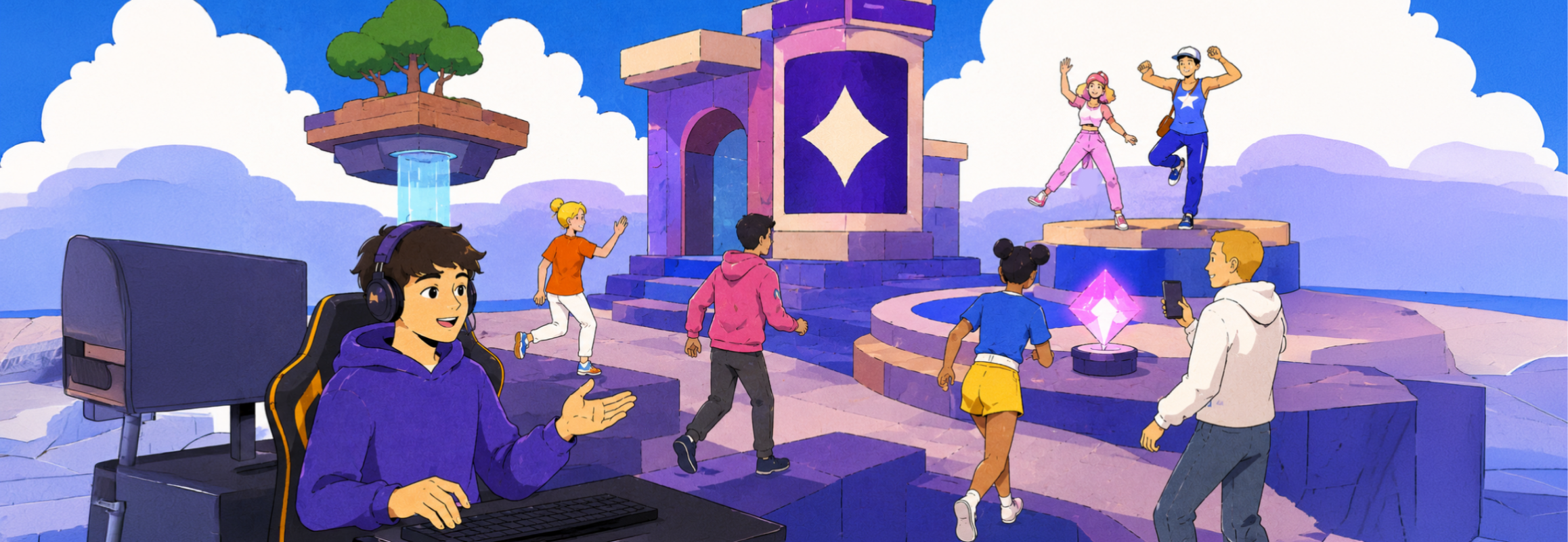



In gaming, community is not a byproduct of success — it is the engine that drives it. Unlike traditional industries, where audiences are largely passive, gaming thrives on active participation, shared experiences, and emotional investment. For brands and developers, understanding and nurturing community is no longer optional; it is central to effective marketing.
Community as a Growth Driver
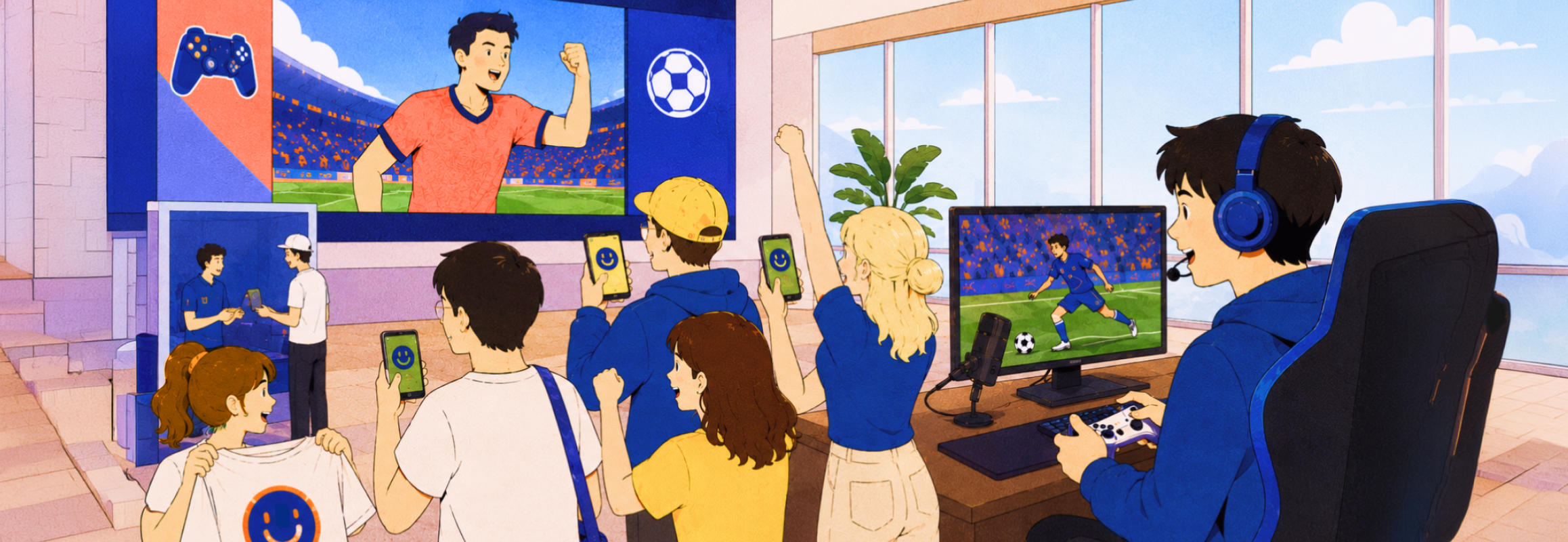
Gaming communities amplify visibility organically. When players engage with a game, they do more than play — they stream, create fan content, discuss strategies, and invite others to join. This creates a self-sustaining promotional loop.
For marketing teams, this means:
- Players become advocates, reducing reliance on paid acquisition.
- User-generated content expands reach across platforms like YouTube, Twitch, and TikTok.
- Social proof increases trust and accelerates adoption.
A strong example is games like Among Us, which saw explosive growth not through traditional ads but through community-driven content and influencer engagement.
Influencers as Community Bridges
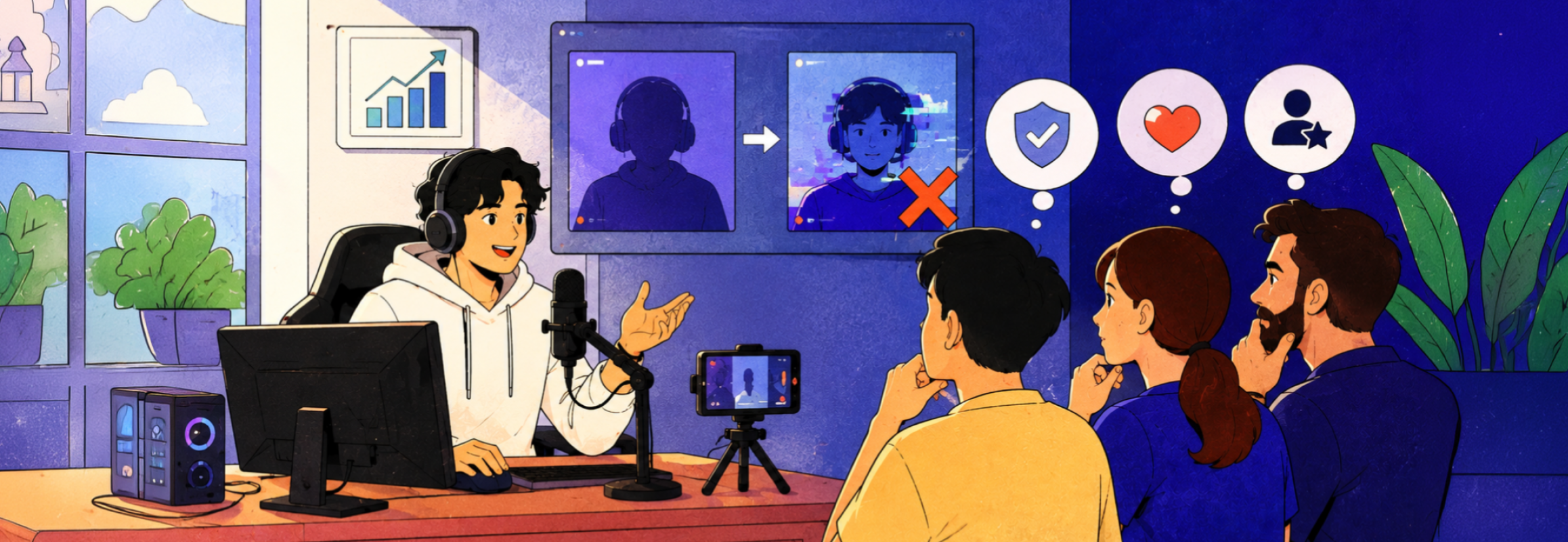
Gaming influencers are not just promotional channels — they are community leaders. Their audiences trust them not only for entertainment but for recommendations and shared identity.
Effective influencer marketing in gaming works because:
- Influencers translate brand messaging into authentic community language.
- They create interactive experiences (streams, live chats, challenges).
- They foster a sense of belonging around a game.
Rather than one-off campaigns, long-term partnerships with influencers help build stable, loyal communities around a product.
Engagement Over Exposure
In gaming marketing, engagement metrics often matter more than reach. A smaller but highly active community can outperform a large passive audience.
Key indicators of strong community engagement:
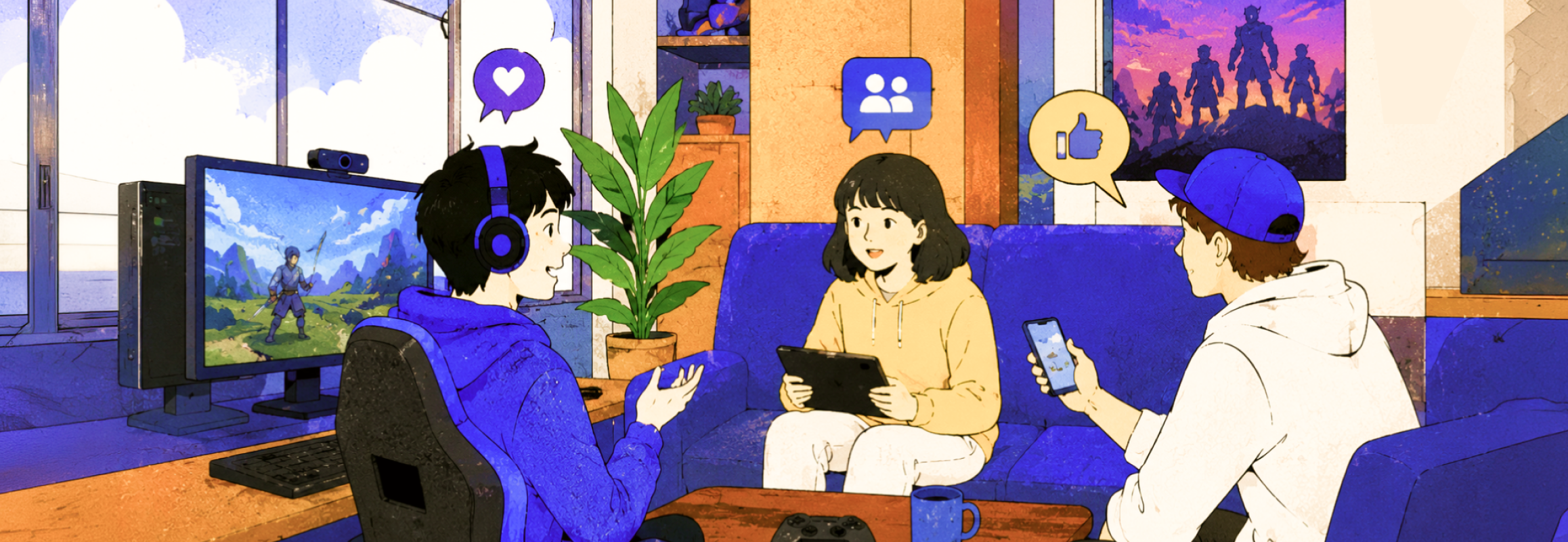
- Active Discord servers or forums.
- High participation in in-game events or challenges.
- Consistent content creation by players.
For example, a niche indie game with a dedicated Discord community may generate deeper loyalty and retention than a heavily advertised title with low player interaction.
Co-Creation and Feedback Loops
Modern gaming communities expect to be heard. Developers and marketers who involve players in decision-making processes build stronger emotional connections.
This can include:
- Beta testing with community feedback.
- Polls or votes on upcoming features.
- Transparent communication through dev logs or social media.
This co-creation model transforms players into stakeholders, increasing both retention and advocacy.
Community as Brand Identity
In gaming, the community often is the brand. The tone, values, and behavior of players shape public perception just as much as official messaging.
A supportive, creative, and inclusive community can:
- Attract new players organically.
- Enhance brand reputation.
- Sustain long-term engagement beyond launch cycles.
Conversely, unmanaged or toxic communities can damage a game’s image, making community moderation and culture-building essential parts of marketing strategy.
Practical Takeaway
For gaming influencer marketing agencies, the focus should shift from short-term visibility to long-term community building. Campaigns should be designed not just to attract attention, but to spark interaction, conversation, and belonging.