


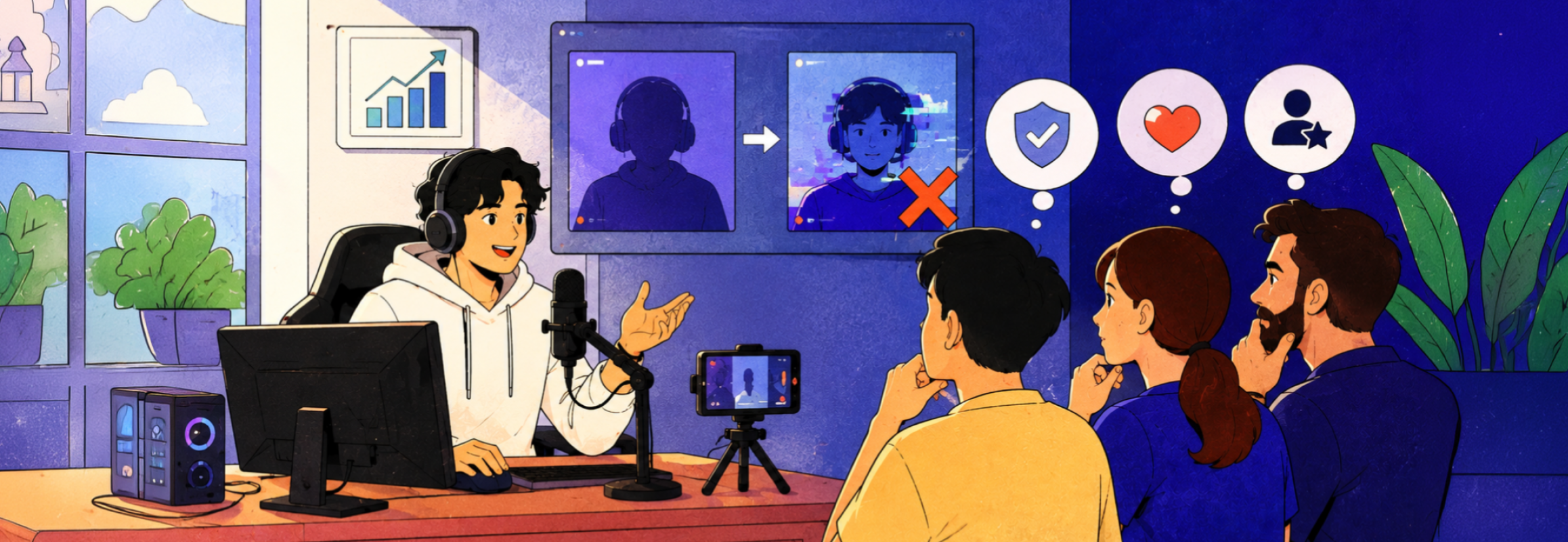
AI is becoming a powerful tool for gaming influencer marketing. It can help brands to find creators, analyse audiences, adapt content and scale campaigns. But when AI starts imitating a creator instead of supporting one, it can quickly damage audience trust.
The case
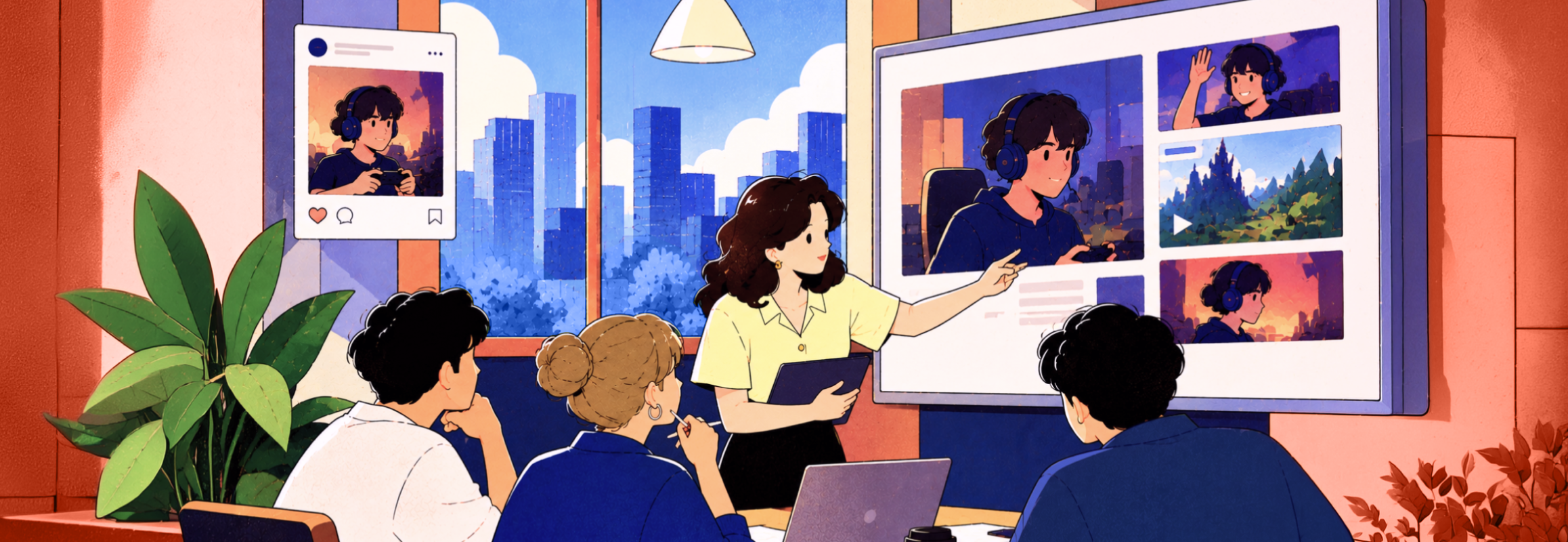
In 2025, TikTok users noticed a series of ads promoting a new season of The First Descendant. The videos appeared to feature gaming influencers talking about the game, but viewers quickly spotted unnatural facial expressions, awkward delivery and other signs of AI-generated content.
At least one video reportedly resembled a real streamer who said he had not been involved in the campaign.
Nexon explained that the videos had been submitted through a TikTok Creative Challenge, where creators could produce content for potential use in advertising. The company referred to “certain irregularities” in the campaign and said it was investigating the issue with TikTok.
Why it matters
The problem was not only that the ads looked strange — they seemed to offer creator endorsement without a real creator behind it.
That is particularly risky in gaming. Players often build strong relationships with streamers and know their voices, humour, opinions and content styles. A gaming influencer is not just a face next to gameplay. Their value comes from personal experience, expertise and trust within a community.
AI can imitate someone’s appearance or tone, but it cannot automatically recreate their relationship with an audience. When a synthetic character presents a recommendation as if it came from a real person, viewers may feel misled.
Instead of discussing the game, the community began discussing fake influencers and questionable advertising practices. The campaign’s central message was replaced by a conversation about authenticity.
Where AI can help
This does not mean brands should avoid AI. It can be useful for:
- finding relevant creators;
- analysing audiences and campaign performance;
- adapting content for different platforms;
- creating subtitles and translations;
- generating initial ideas and content variations;
- organising campaign data and workflows.
These applications support the campaign without replacing the creator’s identity.
The risk begins when AI is used to generate:
- a fake streamer recommending a game;
- a digital replica of a real creator;
- an artificial voice expressing a personal opinion;
- content that looks like genuine user-generated material;
- a scripted endorsement from someone who has never played the game.
The lesson for brands
The future of gaming influencer marketing will probably involve collaboration between AI, agencies and creators. AI can make campaigns faster and more scalable, while creators provide the experience, personality and credibility that audiences value.
The “The First Descendant” case demonstrates what happens when those roles become blurred. A campaign may look like creator content, but without a real creator behind the message, the brand risks losing the trust it hoped to borrow.