


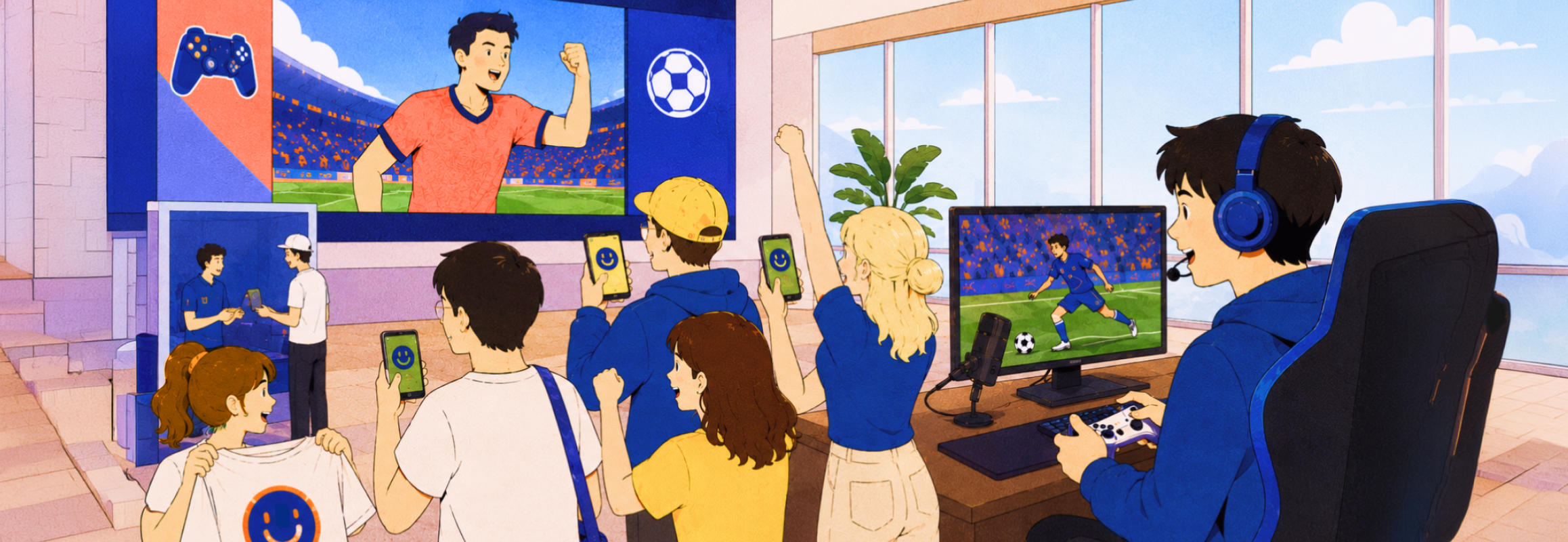
Fans no longer choose between stadiums and streams. They follow athletes who stream, watch esports on big screens, and clip highlights for social. This case shows a compact campaign that treats gaming, esports, and sport as a single fan journey.
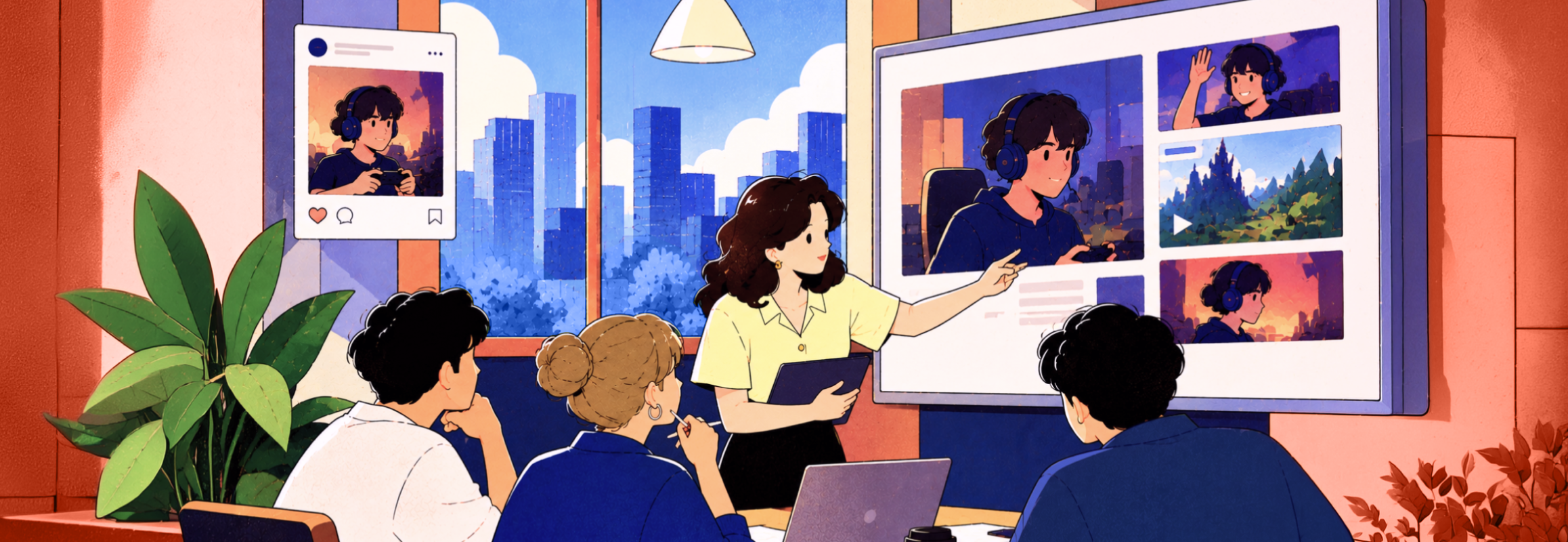
The campaign began by recruiting crossover talent: a pro athlete who regularly streams and a well-known esports commentator hosted a joint watch-along on Twitch that the brand promoted across short-form social. Creative was modular from the start — stream overlays and emotes were designed to match dynamic TikTok edits while stadium LEDs displayed the same visual language during the live match. The brand avoided interruptive ads and focused on utility: viewers unlocked limited in-game cosmetics and QR-linked perks during the stream, which could be redeemed at the live event for fast-track entry, merch discounts, and exclusive meet-and-greets.
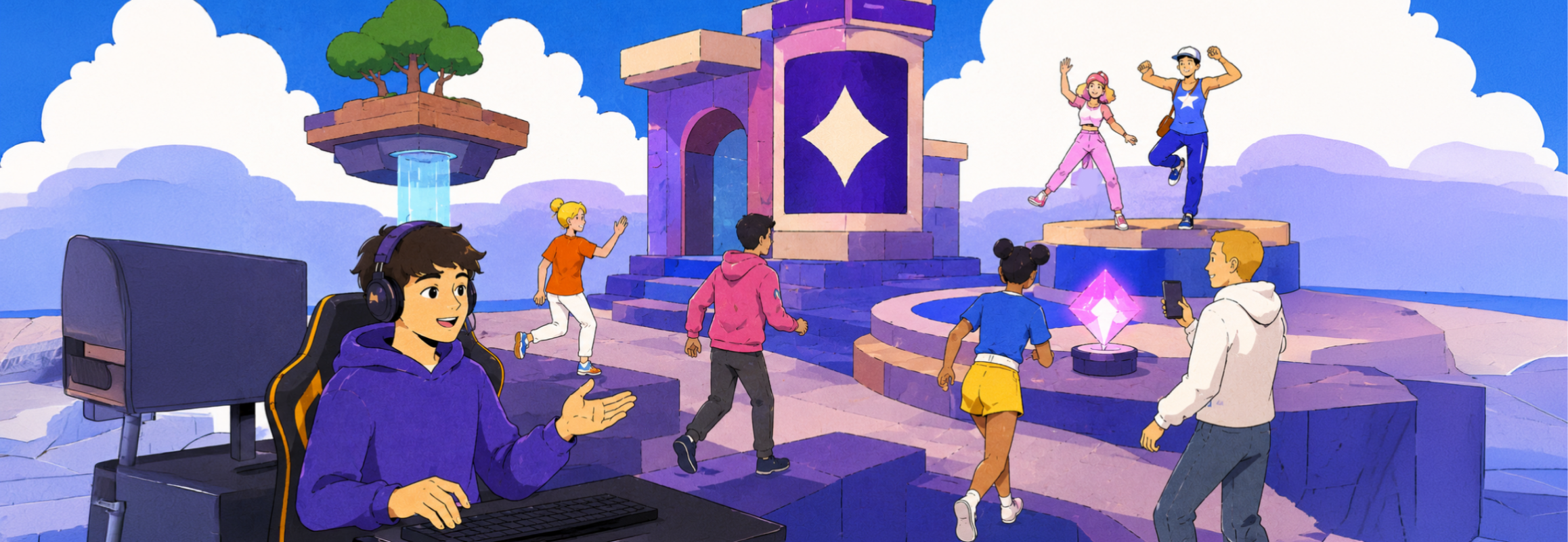
At the arena, pop-up micro-tournaments led by streamer-influencers tied physical presence to online community building, and AR-enabled merch revealed animated emotes when scanned, extending the digital layer into real life. Editors turned the night into a mix of short-form highlight clips and longer reflective interviews for YouTube and podcasts, while the brand amplified community-made content instead of suppressing it.
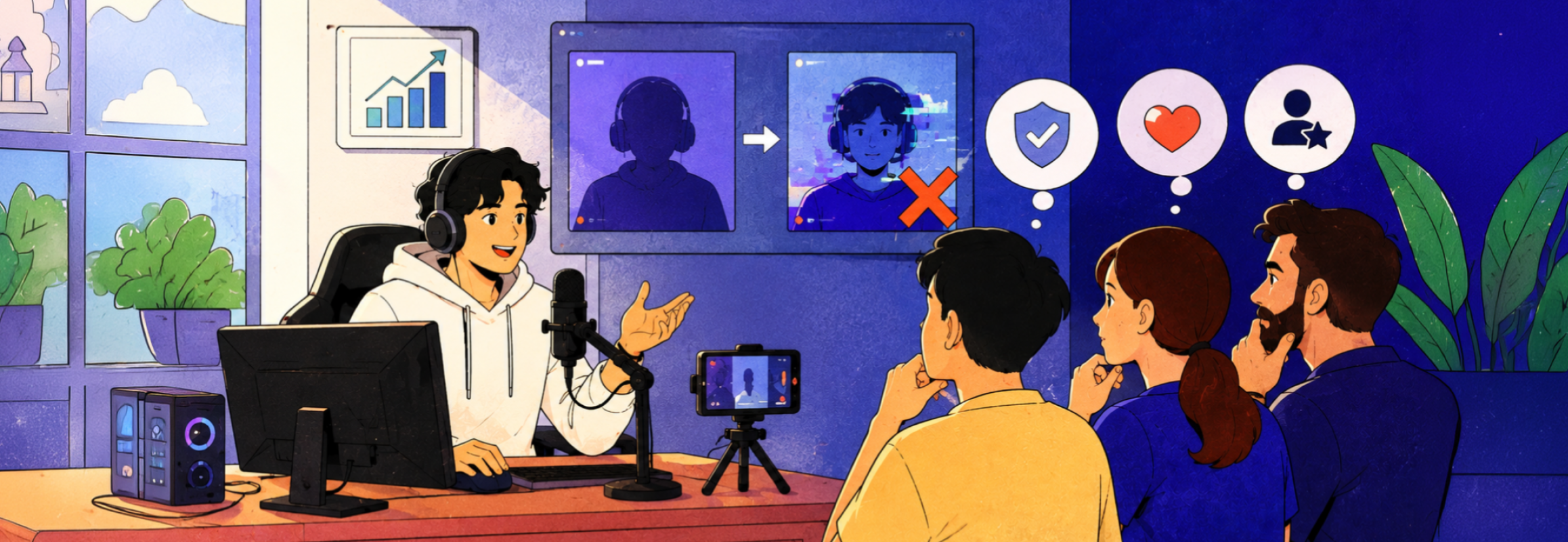
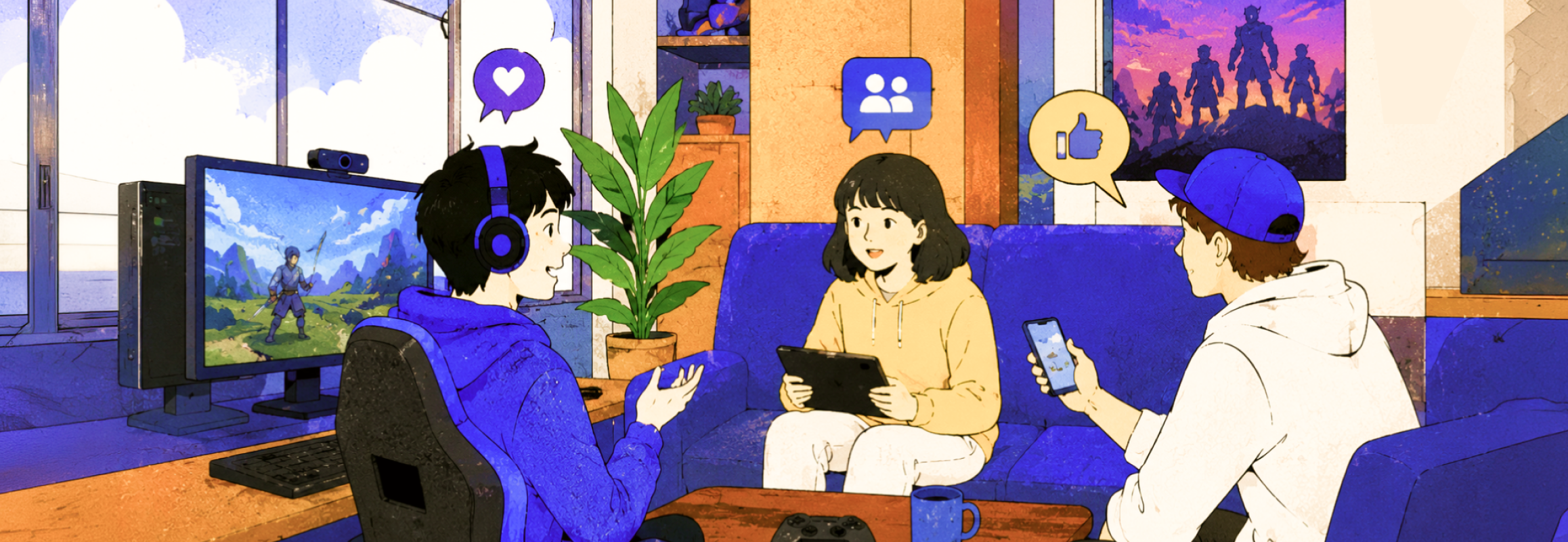
Composite results showed the approach worked: stream view time increased by roughly 40%, chat activity and clip creation spiked, and 22% of stream viewers redeemed IRL perks — with merch sales among attendees tripling compared with typical event conversions. The brand’s Discord and newsletter communities grew quickly, and sentiment improved when creators were given authentic control over creative.
The main lesson’s simple: it’s not necessary to treat gaming, esports, and sport as separate choices. When brands design one coherent fan journey — using trusted crossover talent, platform-native creative, and engagement-first mechanics — they reach audiences more effectively.